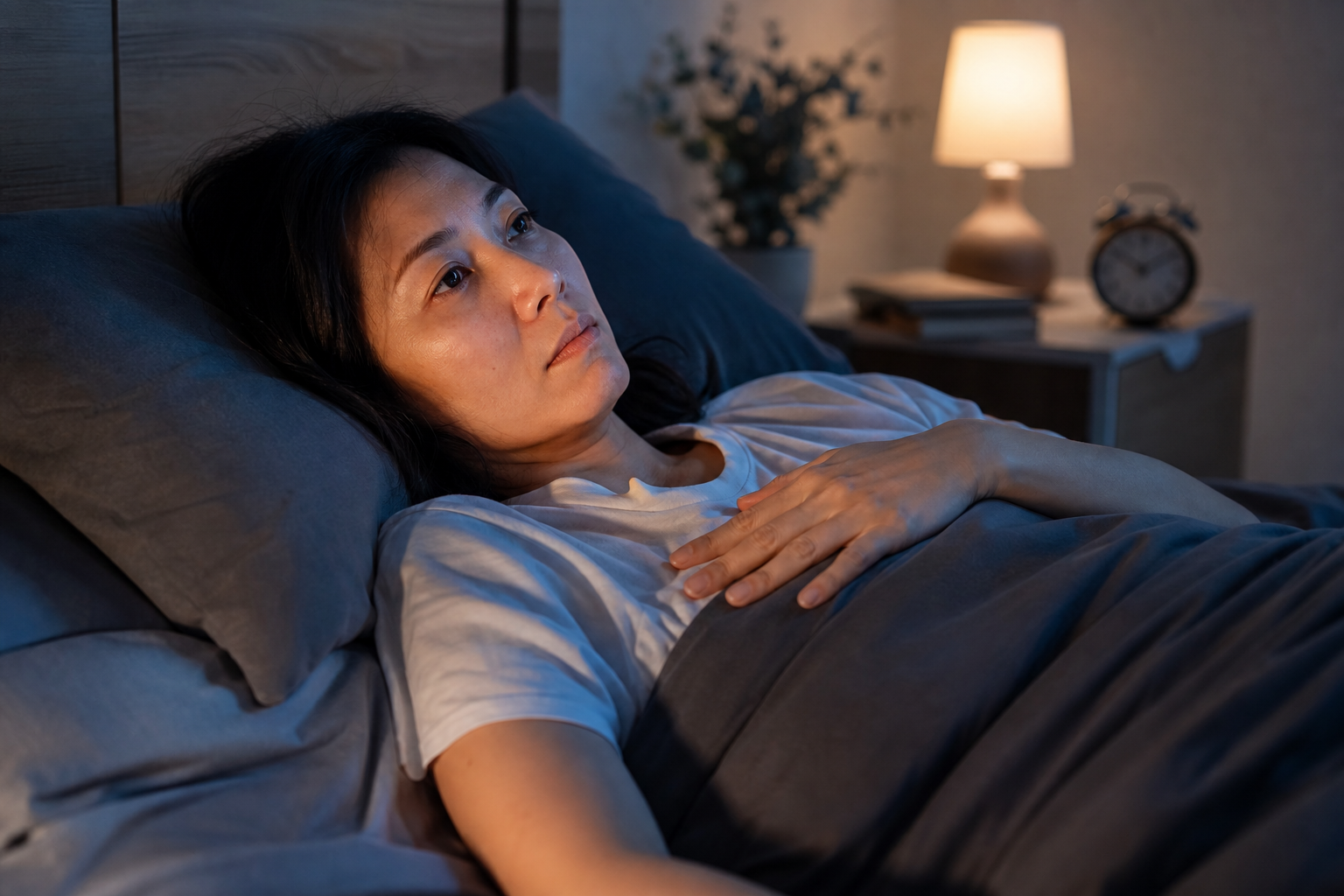
You finally lie down after a long day, and your heart starts racing, skipping, or fluttering. You slept poorly last night. Maybe you have been short on sleep for weeks. You wonder if the two are connected.
Can lack of sleep cause heart palpitations? Yes. Sleep loss can make your heart feel less steady. When you are tired, your nervous system stays more alert. Stress hormones rise. Your heart may beat faster or in an irregular pattern. For many people, that shows up as palpitations at night, in the morning, or during a busy day in North Texas.
At Prime Heart and Vascular, we help patients in Plano, Frisco, Allen, and nearby communities figure out why heart palpitations show up when sleep is short. Most episodes tied to sleep debt are not emergencies. But if symptoms are frequent, worsening, or paired with chest pain or dizziness, a cardiology evaluation can give you a clear answer.
What are heart palpitations?
Heart palpitations are the sensation that your heart is beating too fast, too hard, too slow, or in an irregular pattern. Some people describe a flutter. Others feel a thump, a pause, or pounding in the neck or ears.
Palpitations can happen during exercise, at rest, in the middle of the night, or when you are overtired. The timing matters because it helps your doctor narrow down possible causes.
How lack of sleep affects your heart
Sleep is when your body resets. Your heart rate slows. Blood pressure often dips. Your nervous system shifts toward rest and repair. When you cut sleep short, that recovery does not happen the way it should.
Sleep deprivation keeps your sympathetic nervous system more active. That is the “fight or flight” side of the autonomic system. Cortisol and adrenaline can stay elevated. Your resting heart rate may run higher. Extra beats or brief rhythm changes can feel more noticeable when you are exhausted.
Chronic sleep debt also affects blood pressure, inflammation, and blood sugar control. All of those can influence how steady your heart rhythm feels day to day.
One bad night vs chronic sleep debt
Not every sleepless night leads to palpitations. Many people feel tired, irritable, or foggy after one poor night without any heart symptoms. Others notice a racing heart the next morning or when they try to fall asleep the following night.
When a single night might trigger symptoms
One night of poor sleep can trigger palpitations if you also had caffeine late, drank alcohol, ate a heavy meal, or felt anxious about not sleeping. The heart is responding to several stressors at once, not just the missed hours.
When ongoing sleep loss is more concerning
Chronic sleep deprivation is a different pattern. Shift workers, new parents, caregivers, and people juggling long commutes from Plano or Frisco into Dallas often run on short sleep for weeks or months. Palpitations that keep returning, feel worse over time, or happen even when you are resting deserve a closer look. Sleep debt may be one trigger, but an underlying rhythm problem or sleep disorder could also be involved.
Why palpitations often show up at night
Many patients notice palpitations when the house goes quiet and they are trying to sleep. That does not always mean the heart problem is worse at night. Tired people simply notice their heartbeat more when there are fewer distractions.
Sleep loss can also delay the natural drop in heart rate that happens at bedtime. You may feel wired and aware of every beat. If you already have heart palpitations at night, short sleep can make those episodes feel stronger or more frequent.
Lying down changes blood flow and can affect reflux, both of which sometimes overlap with palpitation sensations. When you are exhausted, those normal body shifts can feel more alarming.
Sleep apnea and heart rhythm
Obstructive sleep apnea is one of the most important links between poor sleep and heart symptoms. With sleep apnea, breathing pauses during sleep. Oxygen levels can drop. The heart works harder. The nervous system surges between sleep cycles.
Many people with sleep apnea report palpitations, a racing heart at night, or waking with a pounding chest. They may also snore, gasp during sleep, or feel unrefreshed despite spending hours in bed. Sleep apnea is common, and it raises risk for high blood pressure and certain rhythm problems over time.
If you snore loudly, wake gasping, or feel tired every morning, ask your doctor about a sleep study. Treating apnea often improves both sleep quality and heart symptoms. Our blog on sleep disorders affecting heart health covers apnea and related conditions in more detail.
Shift work, busy schedules, and Texas heat
North Texas life can make good sleep hard to protect. Long workdays, evening activities, summer heat, and bright mornings all cut into rest. Shift workers in healthcare, logistics, and service jobs often sleep during daylight hours when the body expects to be awake.
Rotating schedules disrupt circadian rhythm. That disruption alone can increase heart rate variability and make palpitations more likely. Add caffeine to stay alert, skip meals, or exercise at odd hours, and the heart has even less stability to work with.
Hot summer nights without adequate cooling can fragment sleep too. Dehydration from heat plus poor sleep is a combination we see often in Plano and Frisco during peak summer months.
Other reasons tired people feel palpitations
Sleep loss rarely acts alone. These factors often stack on top of short sleep and make the heart feel jumpy.
- Stress and anxiety: Worry about sleep itself can raise adrenaline and trigger palpitations.
- Caffeine: Extra coffee or energy drinks after a rough night can push heart rate up.
- Alcohol: A drink to unwind may help you fall asleep faster but often fragments sleep and can affect rhythm.
- Dehydration: Tired people sometimes drink less water. Low fluid volume can make the heart feel less steady.
- Thyroid disease: An overactive thyroid raises heart rate. Poor sleep may be when you finally notice it.
- Anemia: Low iron forces the heart to work harder. Fatigue and palpitations can appear together.
Can lack of sleep cause heart flutters?
Yes. Heart flutters and palpitations overlap in everyday language. A flutter often describes a brief irregular or quivering sensation. Sleep deprivation can increase premature beats, brief runs of fast rhythm, or the awareness of normal variation that feels like fluttering.
Fluttering that lasts seconds and happens mainly when you are overtired may improve once sleep normalizes. Fluttering that is frequent, sustained, or paired with dizziness, chest pain, or shortness of breath needs cardiac evaluation. Atrial fibrillation, or AFib, can feel like fluttering and is more common in people with untreated sleep apnea, high blood pressure, or other risk factors.
Prime Heart and Vascular evaluates rhythm concerns through our arrhythmia specialist services.
When sleep-related palpitations need urgent care
Most palpitations linked to tiredness are not emergencies. Call 911 or go to the nearest emergency room if palpitations come with:
- Chest pain, pressure, or tightness that is new or severe
- Shortness of breath at rest or with minimal activity
- Fainting, near-fainting, or severe dizziness
- Symptoms that feel like a possible heart attack
- Palpitations that will not settle and leave you very unwell
Those red flags matter whether or not you slept poorly. Do not assume tiredness explains serious symptoms.
What you can do to protect sleep and your heart
If palpitations seem tied to short sleep, start with habits that support both rest and steady rhythm.
Prioritize a consistent sleep window
Go to bed and wake up at similar times, even on weekends. Your body handles rhythm better when the schedule is predictable. Even 30 to 60 minutes of extra sleep per night can help some patients feel fewer palpitations within a week or two.
Limit caffeine after midday
Caffeine has a long half-life. Coffee or tea late in the day can keep you wired at bedtime and leave you tired the next morning. That cycle feeds more palpitations.
Keep the bedroom cool and dark
In Texas summers, a cooler room and blackout curtains can improve sleep quality more than adding another hour in a warm, bright space.
Track sleep and heart symptoms together
Write down bedtime, wake time, how rested you feel, and when palpitations happened. Note caffeine, alcohol, stress, and snoring. A simple log helps your doctor see whether sleep is the main trigger or one piece of a bigger picture.
Ask about sleep apnea screening
If you snore, gasp at night, or wake with headaches, mention it. Treating sleep apnea can reduce palpitations and protect long-term heart health.
What testing may involve
Your cardiologist will start with your history. Be ready to describe when symptoms began, what they feel like, how long they last, and how your sleep has been. Mention shift work, snoring, reflux, thyroid disease, anemia, and any family history of rhythm problems.
Depending on your symptoms, testing may include:
- An electrocardiogram (EKG or ECG)
- A heart monitor worn for a day or longer
- Blood work for thyroid function, blood sugar, anemia, or electrolytes
- An echocardiogram to assess heart structure and function
- A sleep study if apnea is suspected
The goal is to match testing to your risk and symptoms so you get a clear answer without unnecessary worry.
When to see a cardiologist in Plano or Frisco
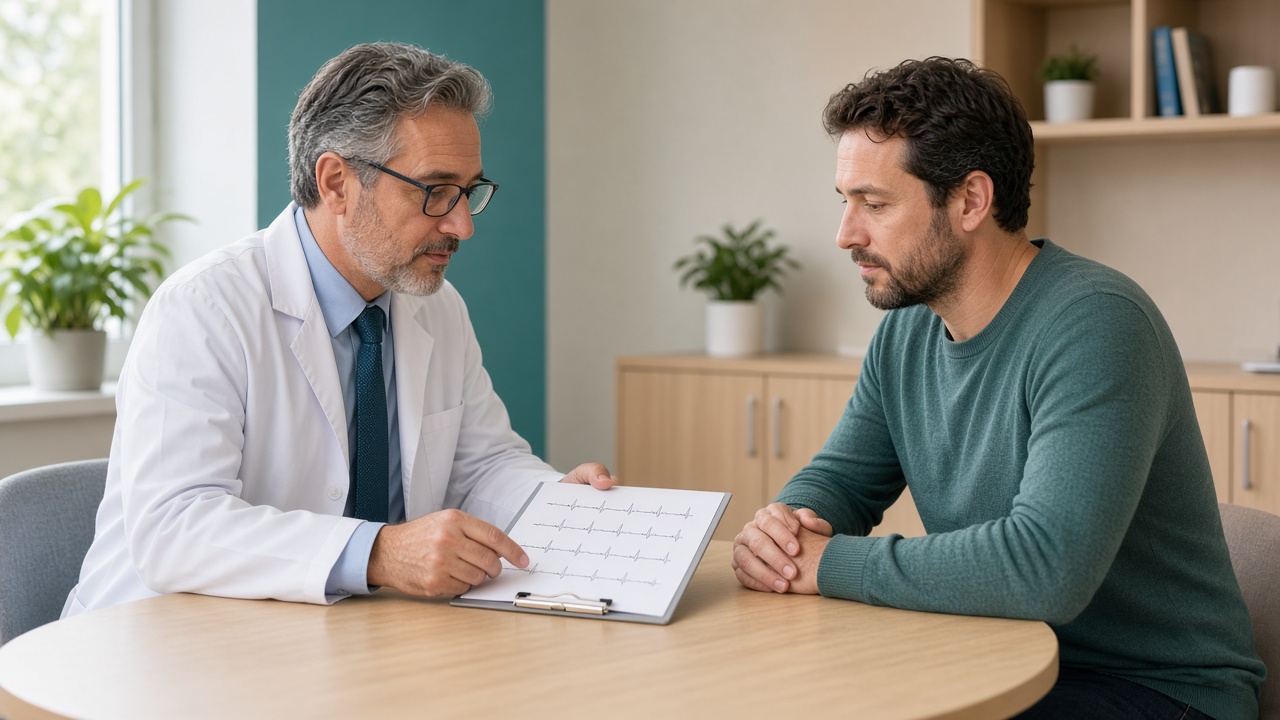
Consider scheduling a visit if palpitations are frequent, worsening, interfering with daily life, or happening with chest pain, shortness of breath, dizziness, or fainting. That is especially true if you have high blood pressure, known heart disease, diabetes, thyroid disease, or risk factors you have been meaning to address.
Prime Heart and Vascular evaluates palpitations, chest pain, shortness of breath, dizziness, and irregular heartbeat through our heart specialist services. If sleep apnea or another sleep disorder may be involved, we can coordinate next steps so your heart and sleep are both addressed.
Lack of sleep can cause heart palpitations. For many people, better rest reduces how often the heart feels jumpy. For others, tiredness unmasks a rhythm problem or sleep apnea that needs treatment. Either way, you deserve a clear answer.
If your heart races when you are running on empty, start by protecting sleep and tracking the pattern. Then talk with a cardiology provider who will take the symptom seriously and help you sort sleep debt from something that needs cardiac care.
Schedule an appointment with Prime Heart and Vascular to talk with a cardiology provider about palpitations that show up when sleep is short.
Sleep and heart palpitation questions
Yes. Sleep deprivation keeps your nervous system more alert and can raise stress hormones like cortisol and adrenaline. That may increase resting heart rate or make extra beats feel more noticeable. Many people notice palpitations after a string of short nights or when they are overtired at bedtime. If symptoms are frequent, last a long time, or come with chest pain, shortness of breath, dizziness, or fainting, schedule a cardiology evaluation to rule out a rhythm problem or another medical cause.
Yes. Palpitations can show up the morning after poor sleep or later in the day when fatigue builds. Your heart may beat faster to compensate for low energy, and you may simply notice each beat more when you are tired. Caffeine used to push through the day can add another trigger. Track whether symptoms follow specific nights of short sleep. If palpitations persist even when sleep improves, tell your doctor because an underlying rhythm issue or sleep disorder may need testing.
Yes. Heart flutters and palpitations overlap in everyday language. Sleep loss can increase premature beats or make you more aware of normal rhythm variation that feels like fluttering. Brief fluttering tied to obvious sleep debt may improve with better rest. Sustained fluttering, fluttering with dizziness or chest pain, or episodes that keep returning deserve cardiac evaluation. Atrial fibrillation can feel like fluttering and is more common in people with untreated sleep apnea or other risk factors.
When you lie down to sleep, distractions fade and you may notice your heartbeat more clearly. Sleep deprivation can also delay the natural drop in heart rate at bedtime, leaving you wired and aware of each beat. Lying down changes blood flow and can worsen reflux, which sometimes feels like palpitations. Anxiety about not sleeping raises adrenaline too. If nighttime palpitations are frequent, mention snoring or gasping because sleep apnea is a common link between poor sleep and heart rhythm symptoms.
Yes. Obstructive sleep apnea causes breathing pauses during sleep, oxygen drops, and repeated nervous system surges. Many people with apnea report palpitations, a racing heart at night, or waking with a pounding chest. They may also snore loudly, gasp during sleep, or feel unrefreshed despite hours in bed. Treating sleep apnea often improves palpitations and reduces long-term heart risk. Ask your doctor about a sleep study if those symptoms sound familiar, especially if palpitations persist despite better sleep habits.
Sometimes, but not always. One poor night may trigger palpitations if you also had late caffeine, alcohol, a heavy meal, or high stress. Many people feel tired without heart symptoms after a single short night. Pay attention if palpitations after one bad night become a repeating pattern or if they feel different from anything you have felt before. Recurring symptoms deserve evaluation even when sleep seems like the obvious explanation.
Shift work disrupts circadian rhythm and often cuts total sleep time. Rotating schedules, sleeping during daylight, and using caffeine to stay alert all stress the cardiovascular system. Palpitations are a common complaint among shift workers who run short on restorative sleep. If you work nights or rotating shifts in healthcare, logistics, or other fields, track symptoms across your schedule. Better sleep hygiene helps, but screening for sleep apnea and cardiac rhythm issues is reasonable when symptoms are frequent.
Most adults feel and function best with seven to nine hours of sleep per night, though individual needs vary. If you consistently get less than six hours and notice palpitations, adding 30 to 60 minutes per night for two weeks is a practical test. Consistent bed and wake times matter as much as total hours. If palpitations continue despite adequate sleep, the cause may not be sleep debt alone. A cardiology visit can clarify whether a rhythm problem, sleep apnea, thyroid disease, or another condition needs treatment.
See a cardiologist if palpitations are frequent, worsening, interfering with daily life, or happening with chest pain, shortness of breath, dizziness, or fainting. You should also be evaluated if symptoms continue despite better sleep, occur when you are well rested, or feel irregular in a new way. People with high blood pressure, known heart disease, diabetes, or a family history of rhythm problems should not wait long to get checked. A visit can confirm when sleep debt is the main trigger or identify a treatable rhythm issue.